- January 12, 2026
How to Order Custom Shirts in Bulk Without Wasting Money
Ordering bulk custom t-shirts represents one of the most effective ways to equip teams, promote events, or outfit businesses affordably. When executed properly, larger quantities drive down the per-unit cost through volume discounts, streamlined production, and efficient use of materials. However, missteps in planning, design, or vendor selection can inflate expenses, lead to excess inventory, or result in subpar products that require costly replacements.
This detailed guide outlines proven strategies to secure high-quality bulk shirt printing or wholesale custom shirts while maximizing value. Drawing from industry best practices, it covers key factors influencing pricing, common pitfalls to avoid, and actionable steps for success. Whether managing a corporate rebrand, school fundraiser, or community event, these insights help control costs and deliver apparel that meets expectations.
Understanding Bulk Pricing Dynamics
The foundation of cost savings in bulk custom t-shirts lies in how pricing scales with quantity. Production costs include fixed elements (setup fees, screens for printing) and variable ones (garments, ink, labor). As order size increases, fixed costs spread across more units, reducing the per-shirt price significantly.
Typical pricing tiers for screen-printed t-shirts illustrate this:
| Quantity Range | Approximate Cost per Shirt (Basic Cotton, 1-Color Print) | Key Cost Drivers |
| 12–49 | $10–$14 | Higher per-unit setup and labor impact |
| 50–99 | $8–$11 | Moderate volume discounts begin |
| 100–249 | $7–$9 | Strong efficiency gains |
| 250–499 | $6–$8 | Optimal for most bulk projects |
| 500+ | $5–$7 | Maximum savings, often custom negotiated |
These ranges vary based on garment quality, print locations, colors, and method, but the pattern remains consistent: higher volumes yield lower unit prices. Additional savings emerge from free shipping thresholds, waived setup fees on reorders, or bundled services. Ordering in volume is one of the most effective ways to reduce costs for bulk custom t-shirt printing while maintaining consistent quality across large groups.
Key Factors That Influence Bulk Order Costs
Several elements determine the final price beyond quantity alone.
- Garment Selection: Basic cotton blanks cost less than premium ring-spun or performance fabrics. Extended sizes (2XL+) often add $2–$4 per piece.
- Printing Method: Screen printing excels for bulk shirt printing with solid colors and large runs due to low per-unit ink costs after initial setup. DTG suits detailed, full-color designs but costs more per shirt in volume. Embroidery adds durability for logos but increases expense for complex work. Knowing the difference between DTG vs screen printing ensures the right method is chosen based on order size and design complexity.
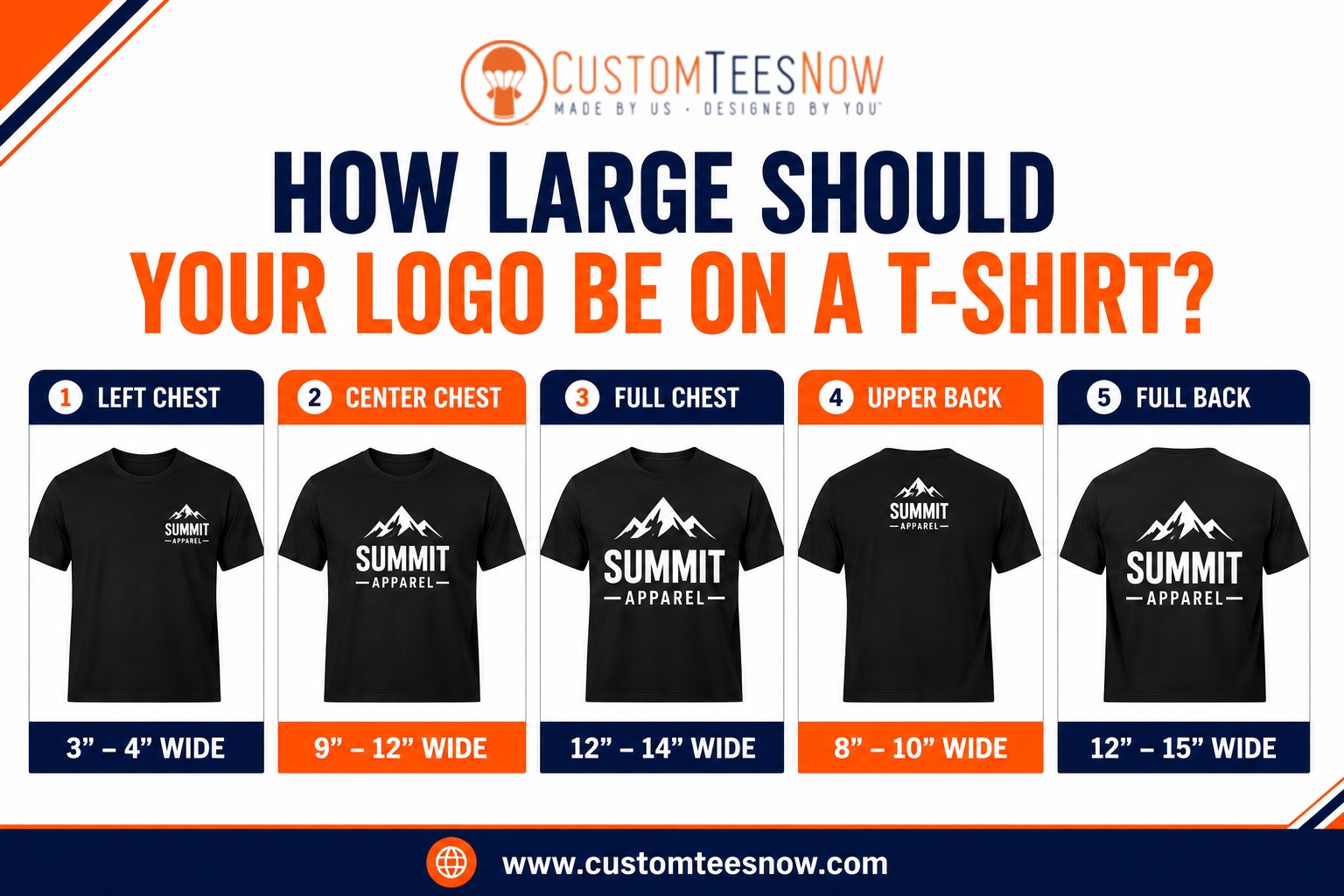
- Design Complexity: Fewer colors and print locations reduce fees. Multi-color or multi-location prints add charges per screen or pass.
- Additional Fees: Watch for setup (screens), artwork digitization, rush production, or international shipping. Many providers offer free proofs and standard U.S. shipping on qualifying orders.
- Mixing Options: Combining sizes, colors, or styles often maintains bulk discounts if within the same garment line.
Prioritizing simplicity in these areas preserves savings without compromising impact.
Step-by-Step Process to Order Bulk Custom Shirts Efficiently
Follow this structured approach to minimize waste and secure the best value.
- Define clear objectives: Specify use case (daily wear, one-time event), audience size, and budget ceiling.
- Research garment and print options: Evaluate fabrics for comfort and durability. Match printing to design needs—screen for bold, simple graphics; DTG for intricate artwork.
- Obtain multiple quotes: Use online tools for instant estimates. Compare at least three providers on price, turnaround, and inclusions like free proofs.
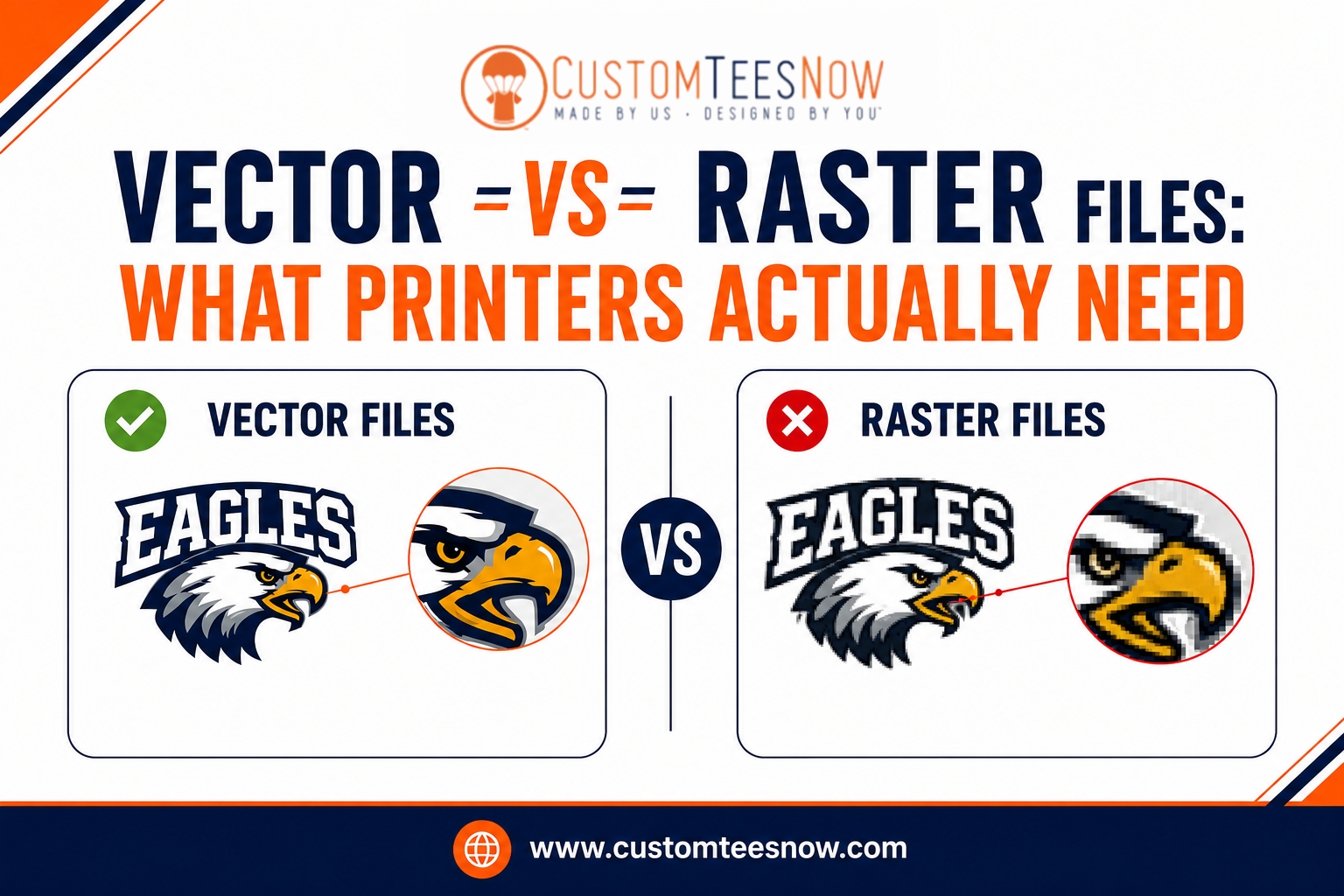
- Finalize artwork early: Prepare high-resolution files (vector preferred) to avoid revisions. Request free design assistance if needed.
- Review proofs carefully: Approve digital or physical samples to catch issues before production.
- Place the order with a buffer: Add 5–10% extra shirts for replacements or unexpected needs, often at discounted rates.
- Plan for delivery: Confirm timelines and track shipments to avoid last-minute rushes.
This methodical process reduces errors and hidden costs.
Common Mistakes That Waste Money—and How to Avoid Them
Many bulk orders exceed budget due to preventable issues.
- Underestimating quantity: Ordering too few forces a second run at higher per-unit prices. Solution: Forecast accurately and include extras.
- Overcomplicating designs: Too many colors or locations inflate setup and ink costs. Solution: Limit to 1–4 colors and 1–2 print areas.
- Skipping samples or proofs: Assuming final results without verification leads to dissatisfaction and reprints. Solution: Always review and test.
- Ignoring fabric and fit details: Cheap blanks may shrink excessively or feel uncomfortable, reducing wear rate. Solution: Request swatches and size charts.
- Neglecting total cost: Focusing only on per-shirt price overlooks shipping, taxes, or rush fees. Solution: Request all-in quotes.
- Choosing the wrong method: Using DTG for large simple runs wastes money compared to screen printing. Solution: Align method with volume and design.
Avoiding these pitfalls preserves funds and enhances satisfaction.
Best Practices for Maximizing Value in Bulk Orders
Implement these strategies to stretch your budget further.
- Leverage tiered discounts: Increase quantity slightly to hit the next pricing break—often worth the incremental cost.
- Opt for timeless designs: Avoid date-specific elements to enable reorders at lower setup costs.
- Consolidate orders: Combine multiple groups or events into one run for shared savings.
- Build relationships with providers: Repeat business often unlocks loyalty discounts or priority service.
- Test small first: For new designs, order a sample batch before full bulk to refine without major waste.
- Focus on quality blanks: Mid-tier fabrics (e.g., 5–6 oz cotton) balance cost and longevity better than the cheapest options.
These habits turn one-time orders into cost-effective, repeatable successes.
Additional Tips for Specific Scenarios
- Businesses: Choose polos or performance tees for professional appeal. Embroidered logos add polish without high per-unit costs in volume.
- Teams: Performance fabrics wick moisture for active use. Numbering or names add personalization at modest extra expense.
- Events: Bright colors and simple slogans maximize visibility. Order early to avoid rush premiums.
In all cases, free U.S. shipping on qualifying bulk orders and satisfaction guarantees reduce risk.
Final Thoughts: Achieve Smart Savings on Bulk Custom T-Shirts
Mastering bulk custom t-shirts requires balancing quantity advantages with thoughtful planning across garments, designs, and processes. By understanding pricing structures, avoiding common errors, and applying proven best practices, you secure professional results without unnecessary expenditure. The outcome: apparel that unifies groups, promotes messages effectively, and delivers lasting value.
At Custom Tees Now, our team simplifies the process with instant quotes, free design support, expert recommendations, and reliable production. Our minimum of 12 pieces accommodates smaller bulks, while larger orders unlock substantial savings through efficient bulk shirt printing and wholesale custom shirts expertise.
Ready to order without waste? Contact Custom Tees Now today for a no-obligation quote and personalized guidance. Let’s transform your vision into high-quality, cost-effective apparel that exceeds expectations.