- February 20, 2026
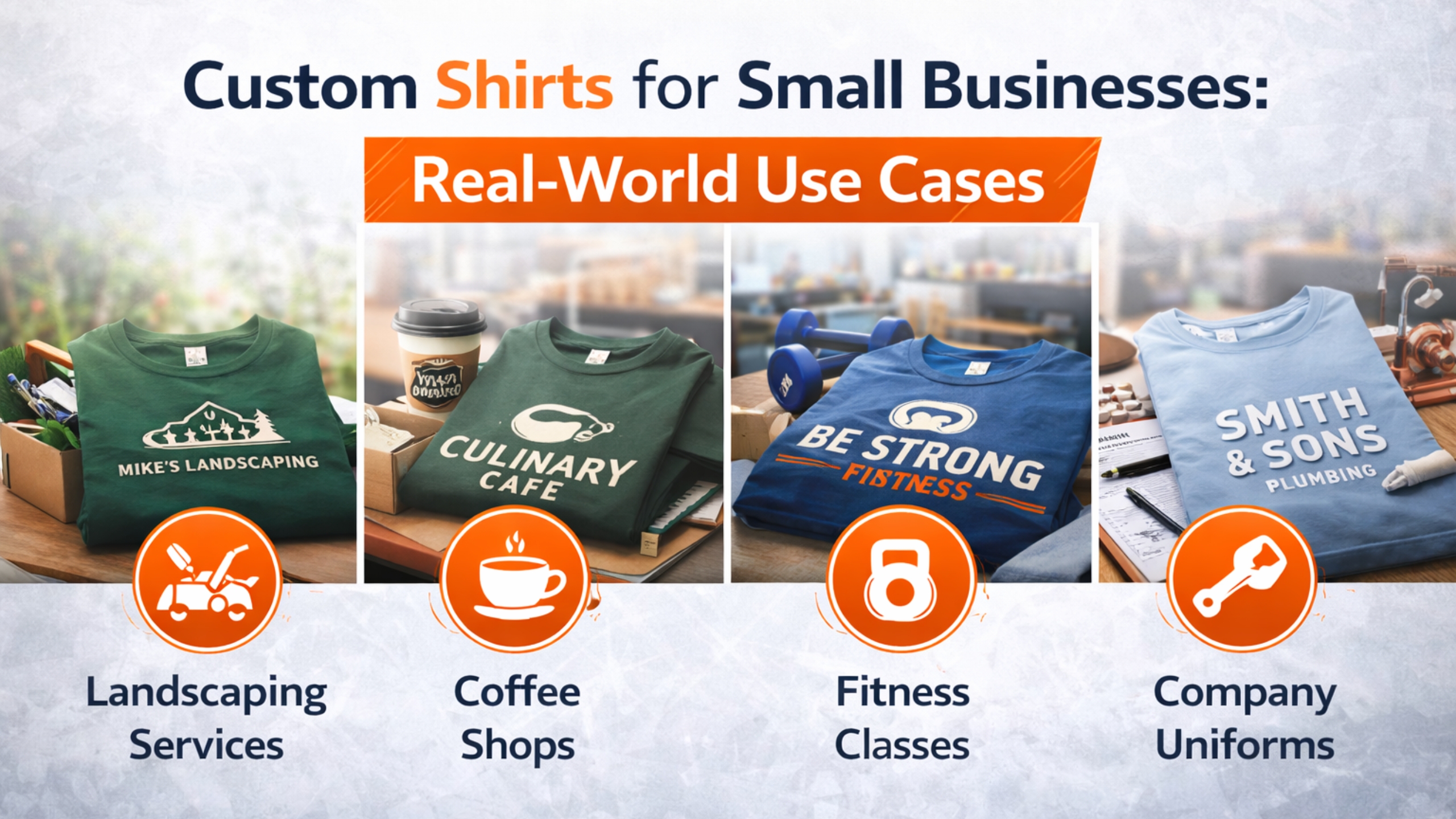
Custom Shirts for Small Businesses: Real-World Use Cases
Imagine a bustling coffee shop where every barista wears a crisp, logo-emblazoned shirt that not only unifies the team but also turns customers into instant brand advocates. This isn’t just a scene from a marketing dream—it’s a reality for countless small enterprises leveraging custom shirts to stand out in competitive markets. In an era where branding can make or break a venture, custom shirts for small businesses offer a tangible way to build identity, foster loyalty, and drive growth. With the global custom apparel market projected to reach $4.2 billion by 2032, growing at a 7.9% annual rate, these garments are more than clothing; they’re strategic tools. This post explores real-world use cases and shows how entrepreneurs like you can leverage them to elevate your operations.
The Power of Custom Shirts in Building Brand Identity
Branding extends far beyond a logo or tagline—it’s the essence of how customers perceive your company. For small businesses with limited resources, investing in branded apparel provides an affordable entry point into professional marketing. Studies show that 85% of people remember a company after receiving custom clothing, far surpassing traditional ad recall rates. Moreover, individuals who wear or receive such items are 75% more likely to purchase from that brand again.
This impact stems from the versatility of custom shirts. They serve as walking advertisements, creating impressions at a cost per thousand (CPM) as low as $1.66 per shirt when ordered in bulk. Unlike digital ads that vanish in seconds, a well-designed tee can generate thousands of views over its lifetime. Small businesses particularly benefit because these shirts level the playing field against larger competitors. By incorporating your colors, messaging, and values, you create a cohesive image that resonates with audiences.
Consider the psychological edge: Branded clothing builds trust; 60% of consumers report increased confidence in a business when staff wear uniforms. This is especially potent for younger demographics like Gen Z, where 75% respond positively. In essence, custom shirts transform everyday interactions into opportunities for connection, turning employees and customers into extensions of your brand.
Real-World Use Case: Enhancing Team Unity with Business Uniforms
One of the most straightforward applications of custom shirts is creating business uniforms. Take the example of a family-owned bakery in a mid-sized town. Struggling with high staff turnover and a lack of cohesion, the owners decided to introduce embroidered polos featuring their quaint logo and a subtle “Baked with Love” slogan. The result? Employee morale surged as the uniforms fostered a sense of belonging and professionalism.
In this scenario, the shirts weren’t just attire—they became symbols of unity. Staff reported feeling more valued, resulting in a 20% reduction in turnover within 6 months. Customers noticed the polished look, often commenting on the “team vibe,” which translated to higher satisfaction scores and repeat visits. For small operations like cafes or retail shops, such uniforms eliminate confusion about who works there, streamlining service and enhancing the overall experience.
This use case illustrates how custom shirts address internal challenges while delivering external benefits. By choosing breathable fabrics and ergonomic designs, businesses ensure comfort during long shifts, further boosting productivity. If you’re running a service-based enterprise, starting with a simple uniform program could be the key to building a dedicated team that reflects your brand’s reliability.
Real-World Use Case: Boosting Visibility through Small Business Apparel
Visibility is crucial for growth, and custom shirts excel as promotional tools. Consider a local fitness studio that launched a line of moisture-wicking tees printed with motivational quotes and their studio name. Distributed as freebies to new members and sold at the front desk, these shirts quickly spread across the community. Instructors wore them during outdoor classes, and clients sported them at gyms or parks, effectively turning wearers into mobile billboards.
The studio saw a 30% uptick in inquiries after the initiative, attributing it to the organic exposure. Each shirt, costing around $7 in bulk, generated an estimated 5,000 impressions over a year—far more efficient than paid social media ads. This approach aligns with findings that branded merchandise offers the highest impressions per dollar spent, outperforming billboards by double.
For entrepreneurs in competitive niches like wellness or consulting, small business apparel like this creates buzz without hefty budgets. It encourages user-generated content, such as social media posts, thereby amplifying reach. The key is designing items people actually want to wear: trendy fits, vibrant colors, and relevant messaging ensure they don’t end up in the back of a drawer.
Real-World Use Case: Generating Revenue with Branded Shirts Examples
Custom shirts aren’t limited to giveaways; they can become a profitable product line. A boutique coffee roastery exemplifies this by offering limited-edition tees tied to seasonal blends. Featuring artistic designs inspired by coffee origins, these shirts sold out quickly online and in-store, boosting revenue by 15% during off-peak months.
This strategy turned loyal customers into advocates, with many purchasing extras as gifts. The roastery reported that buyers of the shirts were twice as likely to reorder beans, creating a loyalty loop. Drawing from broader trends, some small businesses have scaled merch to generate tens of thousands in profit, as seen in Etsy sellers using data-driven designs.
Branded shirts, examples like these, highlight merchandising potential. By starting small—perhaps with 100 units—and testing designs, you can gauge demand. Pairing them with your core offerings, such as bundling a shirt with a subscription box, maximizes value. This not only diversifies income but also deepens customer engagement, positioning your brand as a lifestyle choice.
Real-World Use Case: Fueling Community Events and Collaborations
Events provide fertile ground for custom shirts to shine. A neighborhood bookstore partnered with a local author for a signing event, creating co-branded tees with book quotes and both logos. Given to attendees and sold on-site, the shirts extended the event’s impact long after it ended. Participants wore them to book clubs and cafes, sparking conversations and driving foot traffic back to the store.
Post-event, the bookstore noted a 25% increase in newsletter sign-ups, attributing it to the memorable merch. Collaborations like this amplify exposure, especially when partnering with complementary businesses—a yoga studio with a health food store, for instance. Custom shirts make events feel exclusive, encouraging social sharing and word of mouth.
In community-focused ventures, this use case builds goodwill. Fundraisers or charity runs often feature participant tees, fostering unity while promoting sponsors. The low entry cost makes it accessible: Even a small batch can create lasting impressions, turning one-off events into ongoing brand stories.
Choosing the Right Custom Shirts for Your Business
Selecting custom shirts involves more than picking a color—it’s about aligning with your goals. Factors like fabric quality, printing method, and fit play pivotal roles. For durability in high-wear environments, opt for cotton blends or performance materials. Screen printing is ideal for bulk orders, delivering vibrant, long-lasting results, while embroidery adds a premium touch to polos.
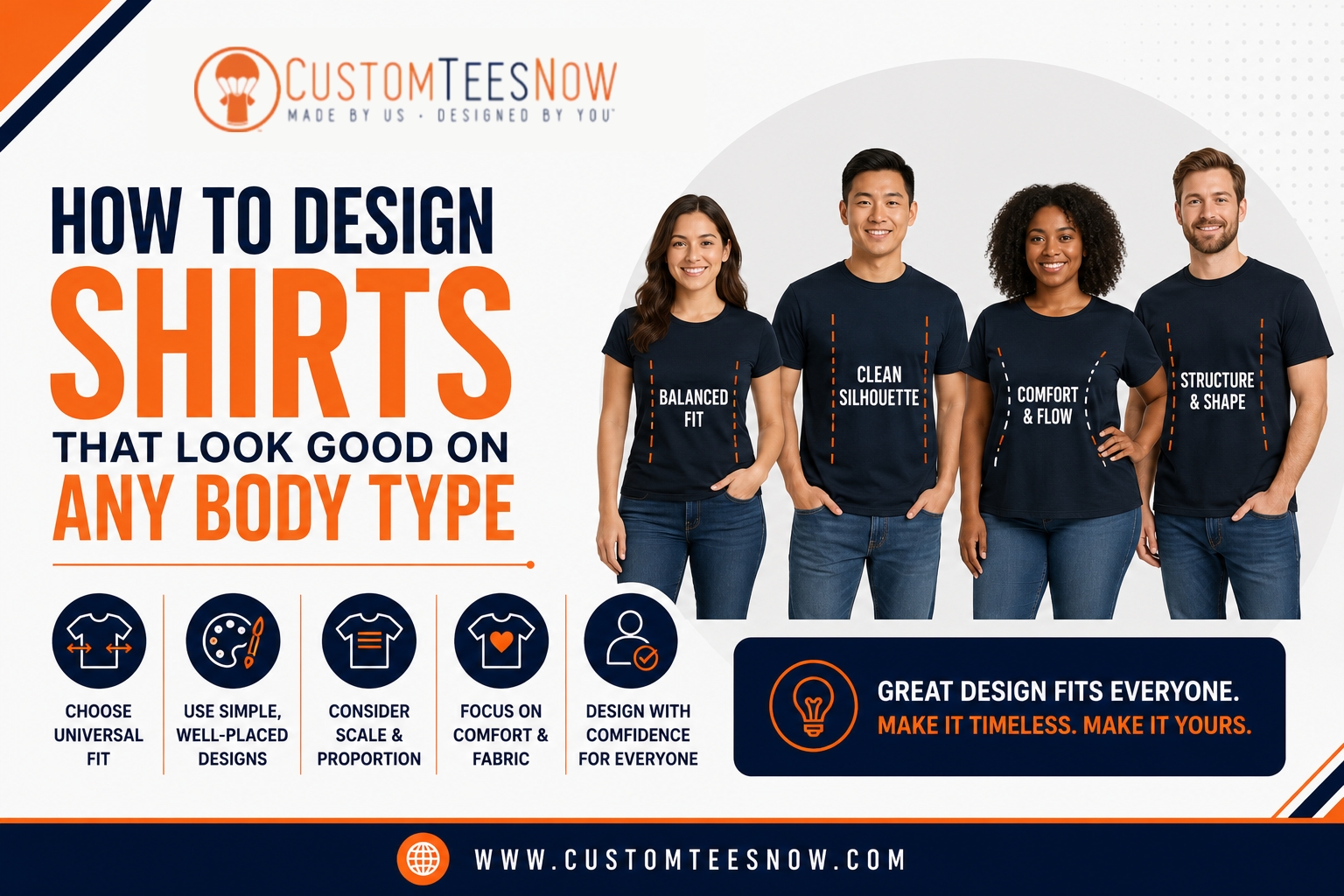
Consider your audience: Athletic businesses might prefer moisture-wicking options, whereas creative firms lean toward artistic, soft tees. Sizing inclusively ensures broader appeal. To compare options, here’s a quick overview:
| Basic Cotton Tee | Promotions and Events | $5-8 | Medium |
| Performance Polo | Uniforms and Professional Settings | $10-15 | High |
| Hooded Sweatshirt | Merchandise and Casual Branding | $15-20 | High |
| Embroidered Hat (Accessory) | Everyday Visibility | $8-12 | Medium-High |
This table helps visualize trade-offs. Prioritize suppliers with quick turnaround and design support to avoid delays. By matching shirts to your needs, you maximize their effectiveness.
Design Tips to Maximize Impact
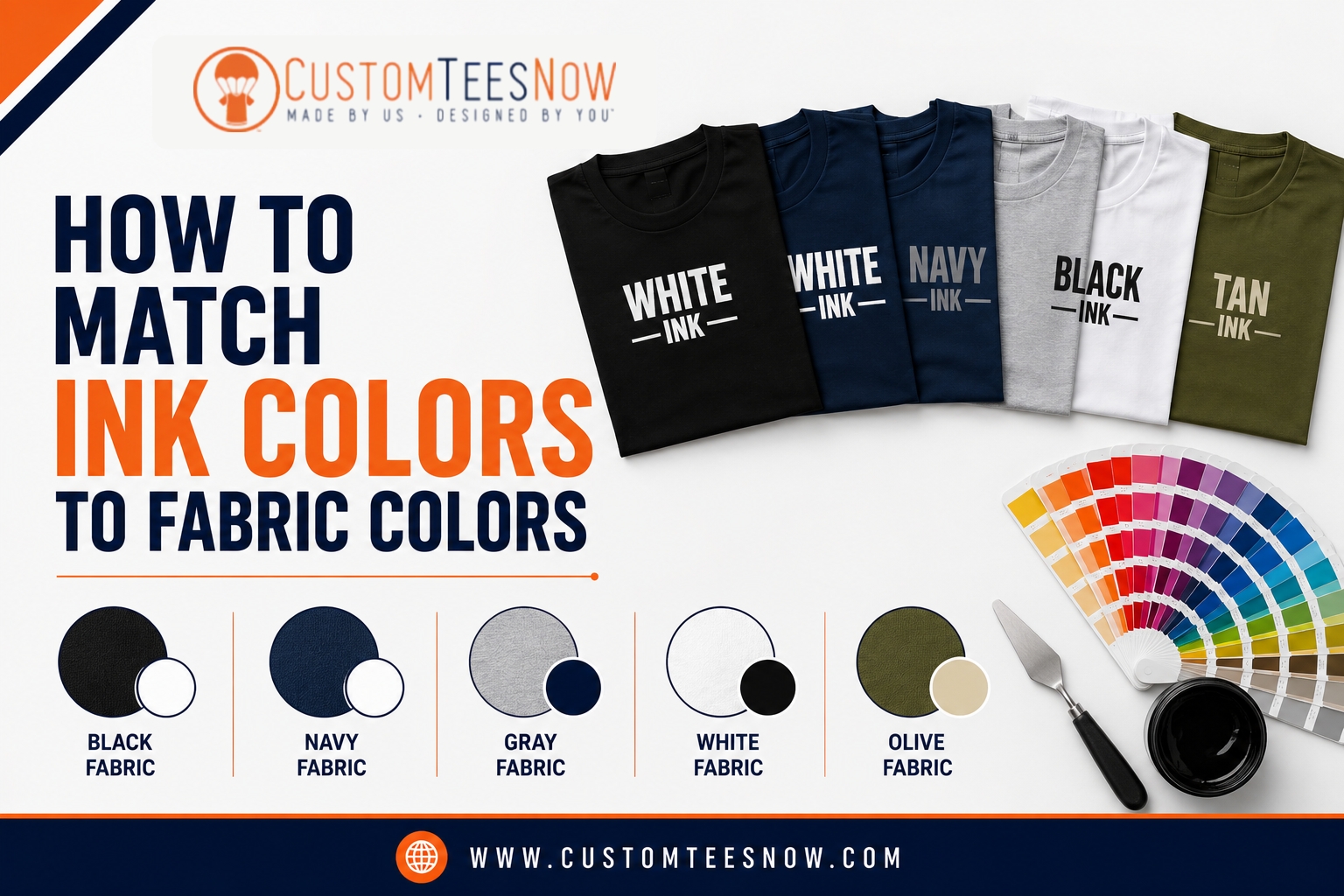
Effective design turns a shirt into a statement. Start with simplicity: Your logo should be prominent but not overwhelming. Incorporate colors from your brand palette for consistency. Use high-resolution artwork to prevent pixelation, and test prints on samples.
- Balance text and imagery: A catchy slogan paired with an icon grabs attention without clutter.
- Consider placement: Front-pocket logos for subtlety, full-back designs for boldness.
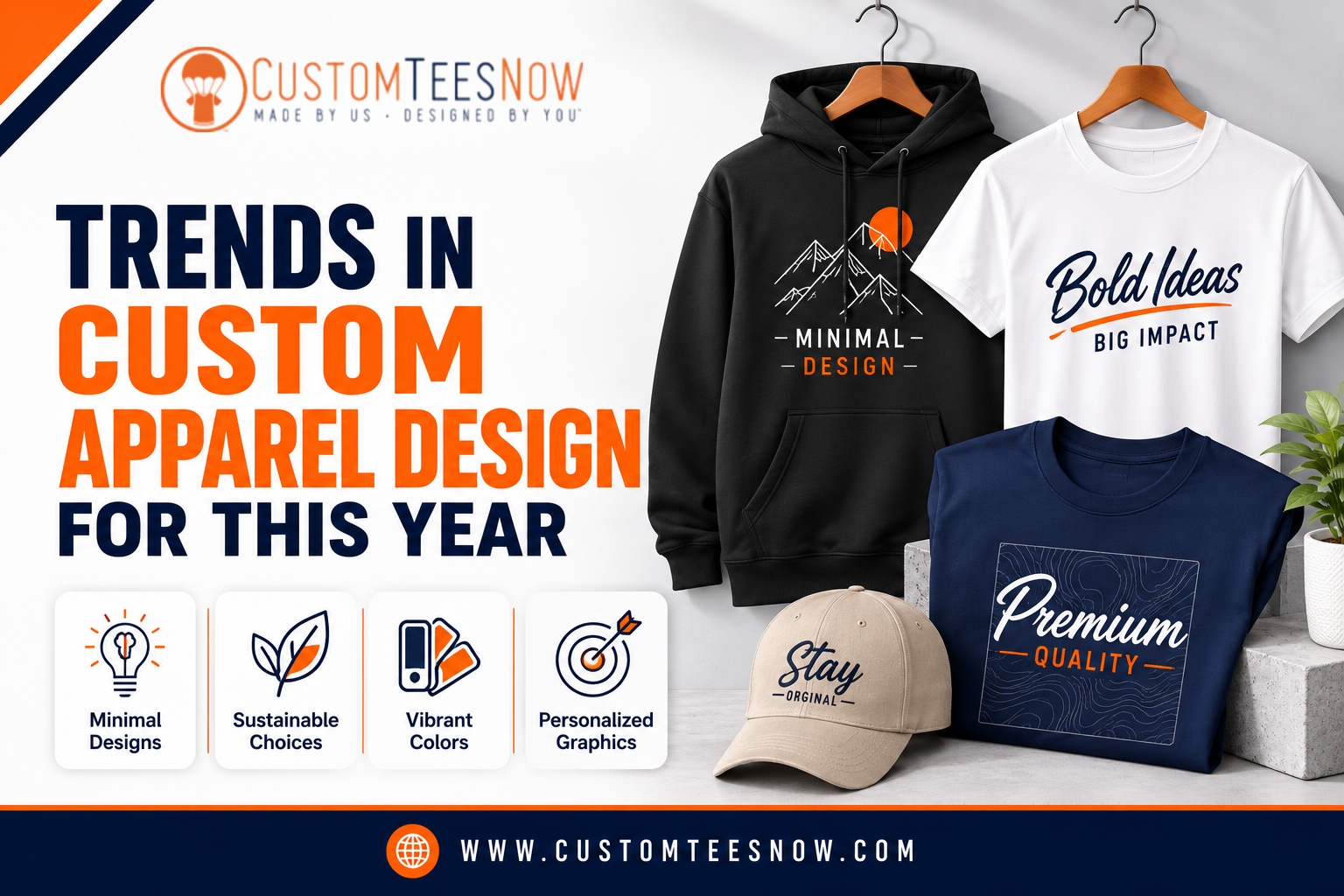
- Trend awareness: Eco-friendly inks or minimalist styles appeal to modern consumers.
Vary fonts for hierarchy—bold for headlines, script for accents. Tools like online design platforms simplify this by allowing previews. For hands-on creation, try our design tool to bring ideas to life effortlessly. Remember, the goal is wearability: Designs that feel personal encourage frequent use, extending your brand’s reach.
Cost Considerations and Measuring ROI
Budgeting for custom shirts requires understanding value over price. Entry-level tees start at $5 per unit in quantities of 100, dropping further for larger orders. Factor in setup fees for screens or digitization, typically $25-50 per color. Free shipping options, like those from reliable providers, add savings.
ROI shines through metrics: Track impressions by estimating wears (e.g., 500 per shirt annually). Monitor sales lifts post-distribution or event attendance spikes. One study found that custom apparel yields a 2.5 times higher positive brand opinion than other promo items.
For small businesses, start modest—test with 50 units—and scale based on results. This minimizes risk while building data. Ultimately, the investment pays off in loyalty and visibility, often outperforming pricier ads.
Overcoming Common Challenges
Implementation isn’t without hurdles. Sizing mismatches can lead to waste; always request charts and samples. Design iterations might delay launches, so plan ahead. Quality varies by vendor—read reviews and seek guarantees.
Sustainability concerns rise: Opt for organic fabrics to attract eco-conscious customers. Legal protections, such as trademarking designs, protect your investment. By addressing these proactively, you ensure smooth integration.
The Broader Impact on Business Growth
Beyond immediate uses, custom shirts contribute to long-term success. They align with the importance of branding in business, helping small enterprises stand out and build credibility. As noted in industry insights, consistent branding fosters trust and loyalty, essential in crowded markets.
Moreover, they support employee retention: Uniformed teams report higher job satisfaction. For customer acquisition, the tactile nature of apparel creates emotional ties, encouraging advocacy.
Conclusion: Elevate Your Small Business Today
Custom shirts for small businesses represent a versatile, high-impact strategy, as evidenced by these real-world use cases. From unifying teams to generating revenue and boosting event attendance, they deliver measurable benefits that drive growth. In a landscape where differentiation is key, embracing this tool can transform your venture.
Ready to get started? Explore options on our website to design shirts tailored to your needs. For deeper insights into effective strategies, check resources from the U.S. Small Business Administration, which emphasize branding’s role in success. Invest in custom shirts now, and watch your brand flourish.