- February 25, 2026
How Restaurants and Hospitality Brands Use Custom Apparel
Imagine walking into a bustling eatery where every staff member exudes professionalism through coordinated outfits that subtly echo the venue’s vibe. This seamless integration of style and function isn’t accidental—it’s the result of thoughtful investment in restaurant custom apparel. In an industry where first impressions can make or break customer loyalty, such attire serves as a silent ambassador for the brand. From upscale hotels to casual diners, hospitality businesses are increasingly leveraging personalized clothing to enhance their operations and image. This article explores the multifaceted ways these brands incorporate custom pieces, offering insights that could transform your establishment’s approach.
The Role of Custom Apparel in Building Brand Identity
Custom apparel acts as a cornerstone for establishing a recognizable presence in the competitive hospitality sector. When employees don uniforms tailored to reflect the restaurant’s ethos, it creates a cohesive visual narrative that resonates with patrons. For instance, a farm-to-table bistro might opt for earthy tones and subtle logos, reinforcing its commitment to sustainability. This strategic choice not only fosters team unity but also communicates values without a word.
Beyond aesthetics, such clothing contributes to operational efficiency. Staff members feel more connected to their roles when wearing items designed specifically for their environment, leading to improved morale and performance. Research from industry leaders shows that branded attire can boost employee retention by up to 20% by instilling a sense of belonging. In turn, this translates to better service, which is crucial in a field where customer satisfaction drives repeat business.
Consider the psychological impact on guests. A well-dressed team conveys reliability and attention to detail, qualities that patrons associate with quality dining experiences. Whether it’s a server in a crisp polo or a chef in a monogrammed jacket, these elements subtly elevate the overall ambiance. For brands aiming to stand out, investing in this area is not just about clothing—it’s about crafting an unforgettable story.
Exploring Hospitality Uniforms for Enhanced Professionalism
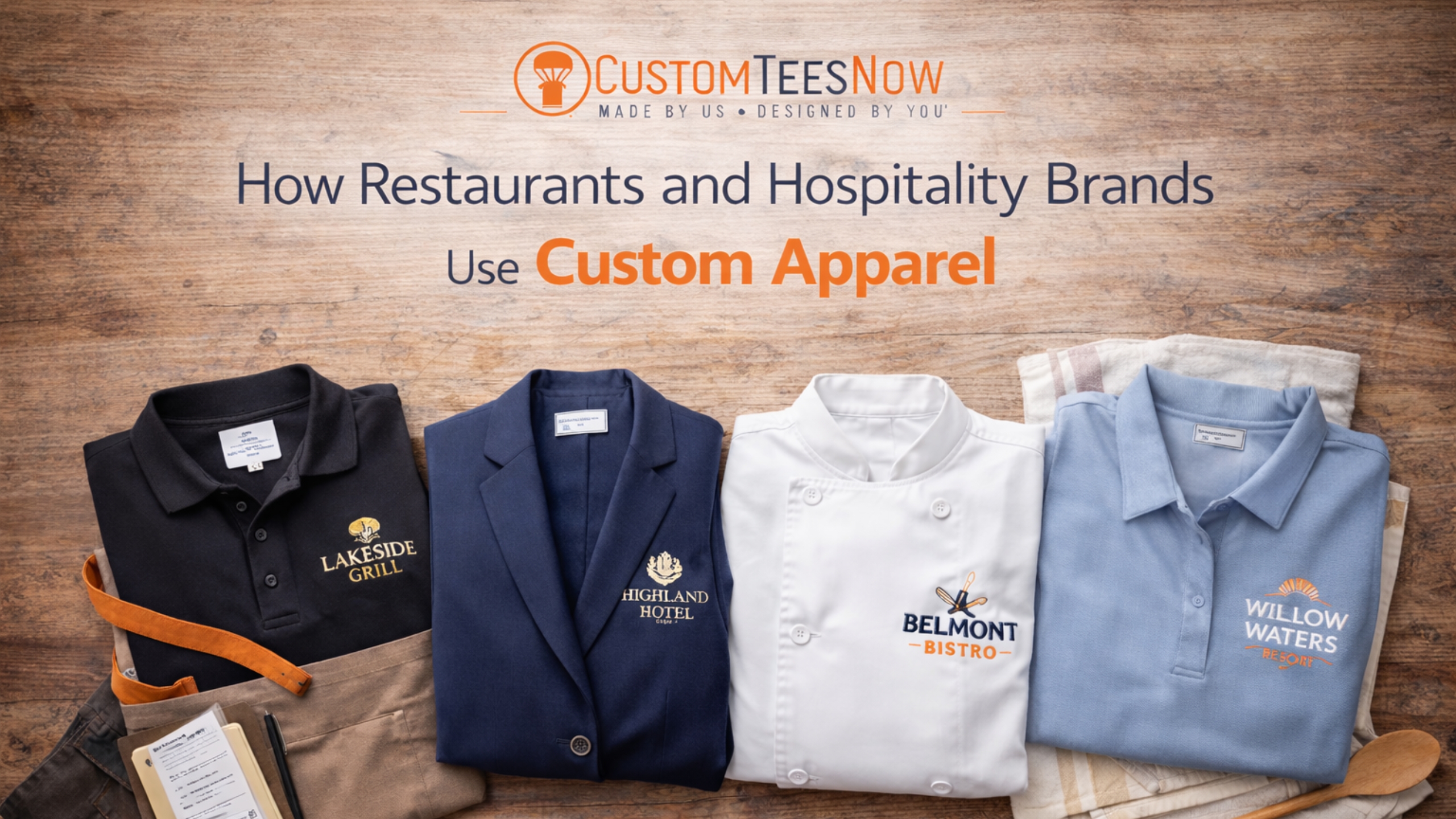
Hospitality uniforms represent more than mere workwear; they embody the essence of service excellence. In hotels and resorts, where interactions span from check-in to fine dining, consistent attire ensures that every touchpoint aligns with the brand’s standards. These outfits often include versatile pieces like blazers, vests, and aprons, customized with embroidery or prints that incorporate logos and color schemes.
One key advantage lies in functionality. Materials chosen for durability withstand the rigors of daily use, such as spills and frequent laundering, while features like moisture-wicking fabrics keep staff comfortable during long shifts. This practicality extends to safety, with non-slip soles on shoes or flame-resistant options for kitchen roles. By prioritizing these aspects, brands minimize downtime and maintain a polished appearance.
Moreover, uniforms facilitate role differentiation. Front-of-house staff might wear sleek button-ups to project approachability, whereas back-of-house teams opt for rugged tees that prioritize mobility. This clarity streamlines operations and helps guests navigate the space intuitively. As hospitality evolves with trends like experiential dining, adaptable uniforms allow brands to refresh their look seasonally, keeping the experience fresh and engaging.
The Impact of Restaurant Staff Shirts on Team Dynamics
Restaurant staff shirts play a pivotal role in fostering camaraderie among employees. These garments, often featuring short or long sleeves depending on the climate and setting, serve as a unifying force in fast-paced kitchens and dining areas. By incorporating elements like team mottos or departmental insignias, they encourage a collaborative spirit that enhances workflow.
From a managerial perspective, standardized shirts simplify inventory management and reduce workers’ personal clothing wear-and-tear costs. Employees appreciate the equity this brings, as everyone starts on an equal footing regardless of individual style preferences. In high-turnover environments, quick onboarding with provided attire helps new hires integrate seamlessly, reducing training time.
Customer perceptions also benefit. A team in matching shirts projects organization and preparedness, which can influence tipping behaviors and reviews. Data from hospitality analytics firms suggests that venues with cohesive staff appearances see a 15% uptick in positive feedback. Thus, these shirts are not just apparel—they’re tools for building a resilient, motivated workforce.
Leveraging Branded Restaurant Clothing for Marketing
Branded restaurant clothing extends marketing efforts beyond traditional channels. When staff wear items emblazoned with the establishment’s name or slogan, they become walking advertisements in the community. This organic promotion is particularly effective for local eateries, where servers might run errands or attend events in their work gear, sparking curiosity and foot traffic.
In digital realms, such clothing amplifies social media presence. Photos of employees in branded outfits during shifts or team outings generate authentic content that resonates with followers. Platforms like Instagram thrive on visual storytelling, and a consistent wardrobe provides endless opportunities for user-generated posts. This visibility can lead to partnerships or influencer collaborations, expanding reach cost-effectively.
Furthermore, incorporating merchandise elements—like selling branded hats or tees to patrons—creates additional revenue streams. Loyal customers often purchase these as souvenirs, turning one-time visitors into brand advocates. According to insights from the National Restaurant Association, establishments that integrate apparel into their merchandising see an average 10% boost in ancillary sales. This multifaceted approach transforms clothing from a necessity into a strategic asset.
Types of Custom Apparel Commonly Used in the Industry
The variety of custom apparel available allows hospitality brands to tailor selections to their unique needs. Common categories include polos for versatile front-line roles, hoodies for casual off-duty branding, and jackets for outdoor or seasonal operations. Each type offers customization options, from screen printing for bold graphics to embroidery for a premium feel.
| Polos | Front-of-house service | Breathable, professional look | Logo embroidery, color matching |
| T-Shirts | Casual staff or events | Comfortable, affordable | Screen printing, multiple fabrics |
| Aprons | Kitchen and bar areas | Protective, functional pockets | Vinyl application, adjustable straps |
| Hats/Caps | All roles, promotional | Sun protection, brand visibility | Patch embroidery, various styles |
| Jackets | Outdoor or cold environments | Weather-resistant, layered warmth | Full-zip options, insulated linings |
This table illustrates how selections align with operational demands, ensuring investments yield practical returns. Brands should evaluate factors like climate, activity levels, and budget when choosing.
Design Strategies for Effective Custom Apparel
Crafting compelling designs requires a blend of creativity and practicality. Start by aligning visuals with the brand’s core identity—colors, fonts, and motifs should mirror the restaurant’s decor and menu theme. For a seafood spot, nautical elements might dominate, while a vegan cafe could emphasize green hues and leaf icons.
Involve staff in the process to ensure buy-in. Surveys or focus groups can reveal preferences for fit and features, leading to higher adoption rates. Professional designers, such as those at Custom Tees Now, offer expertise in translating concepts into wearable art and often provide free proofs to refine ideas.
Material selection is equally critical. Opt for blends that balance comfort and longevity, such as cotton-polyester blends that resist fading. Sustainability is gaining traction; eco-friendly fabrics from recycled materials appeal to environmentally conscious consumers. Testing samples in real scenarios helps identify any issues before full production.
Accessibility considerations matter too. Inclusive sizing and adaptive features, such as magnetic closures for those with dexterity challenges, broaden appeal. By focusing on these elements, designs not only look great but also perform under pressure.
Implementation and Maintenance Best Practices
Rolling out new apparel involves more than distribution—it’s about integration. Begin with a launch event to build excitement, perhaps tying it to a team-building activity. Clear guidelines on wear and care prevent misuse and preserve the investment’s lifespan.
Maintenance protocols are essential for longevity. Recommend gentle washing cycles and air drying to avoid shrinkage or color loss. Bulk purchasing enables rotation, ensuring items remain fresh. Partnering with reliable suppliers streamlines reorders and customizations.
Tracking ROI through metrics like staff feedback surveys and sales data quantifies success. Adjustments based on this input keep the program relevant. For ongoing needs, explore our custom design services to refresh collections seasonally.
Case Studies: Success Stories from the Field
Real-world examples underscore the transformative power of custom apparel. Take a mid-sized chain in California that revamped its uniforms with vibrant, logo-centric tees. Post-implementation, employee satisfaction scores rose 25%, correlating with a 12% increase in customer retention. The branded elements made staff feel valued, enhancing service quality.
Another instance involves a boutique hotel in New York adopting embroidered blazers for concierge teams. This shift not only elevated the property’s upscale image but also sparked positive media coverage. Guests frequently complimented the attire, boosting online ratings.
A fast-casual burger joint in Texas used promotional hoodies for events, turning employees into brand ambassadors at local festivals. This exposure drove a 18% traffic spike during off-peak months. These stories illustrate how targeted apparel strategies yield tangible results across diverse settings.
Overcoming Common Challenges in Adoption
Despite the benefits, hurdles such as cost concerns or resistance to change can arise. Address budgets by starting small—pilot programs with a subset of staff allow testing without full commitment. Volume discounts from providers often make scaling affordable.
Resistance stems from comfort issues or perceived loss of uniformity. Counter this with options for personalization, such as name tags or color variations within guidelines. Training sessions emphasizing the “why” behind the change foster understanding.
Quality inconsistencies plague some initiatives. Vet suppliers thoroughly, reviewing samples and references. Reputable sources, such as those endorsed by Hospitality Net, ensure reliability. Proactive planning mitigates these obstacles, paving the way for smooth integration.
Future Trends in Hospitality Apparel
Looking ahead, technology is reshaping the custom apparel industry. Smart fabrics embedded with sensors could monitor staff health metrics, like hydration levels in hot kitchens. Augmented reality apps might allow virtual try-ons, streamlining design approvals.
Sustainability will dominate, with brands favoring organic materials and ethical production. Personalization via AI-driven tools could generate unique designs based on data inputs. As consumer preferences shift toward experiences, apparel that tells a story—perhaps through QR codes linking to menus—will gain traction.
Hybrid workwear blending style with tech, like antimicrobial treatments post-pandemic, addresses ongoing health concerns. Staying attuned to these developments positions brands as innovators, attracting top talent and discerning guests.
Conclusion: Elevate Your Brand Today
In summary, restaurant custom apparel is a powerful tool for enhancing identity, efficiency, and engagement in the hospitality world. From uniforms that promote professionalism to shirts that boost team spirit, the applications are vast and impactful. By thoughtfully incorporating these elements, brands can create lasting impressions that drive success.
Ready to transform your establishment? Explore tailored solutions that fit your vision. Whether updating existing wardrobes or starting fresh, the right partner makes all the difference. Contact us to discuss how we can bring your ideas to life.