- February 15, 2026
How Branded Workwear Improves Employee Professionalism
Envision a team stepping into a client meeting, each member clad in sharp, logo-emblazoned attire that exudes confidence and unity. This isn’t just about appearance—it’s a strategic edge that elevates performance and perception alike. In competitive industries, where first impressions can seal deals, branded workwear emerges as a silent yet powerful ally. As businesses navigate evolving workplace dynamics, this approach fosters a polished ethos that resonates internally and externally. With studies showing that 75% of consumers view uniformed staff as more professional, the investment yields tangible returns in morale and productivity.
This exploration uncovers the multifaceted ways such attire transforms teams. From boosting self-assurance to streamlining operations, we’ll examine evidence-based insights. Whether leading a startup or a seasoned enterprise, grasping these elements can refine your organizational strategy.
Understanding Branded Workwear
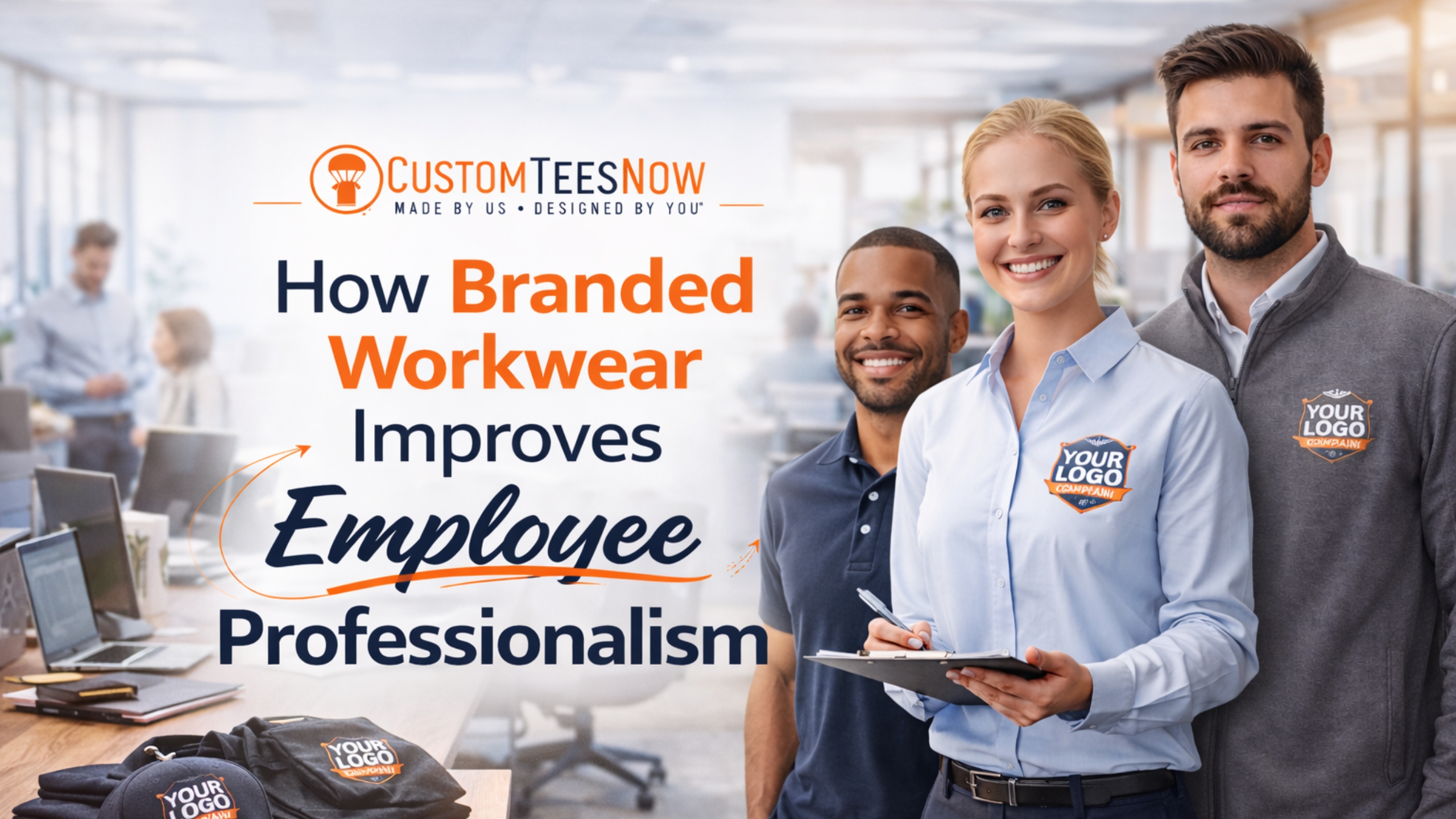
Branded workwear encompasses garments customized with company logos, colors, and messaging, ranging from polos to jackets. It serves more than just clothing—it’s an extension of your identity, reinforcing your values through visual consistency.
Evolution in this field stems from technological strides in embroidery and printing, allowing intricate designs on durable fabrics. This accessibility enables even modest operations to adopt a professional look without incurring exorbitant costs.
At its essence, such attire cultivates a mindset shift. Employees donning these pieces often report heightened focus, as the ritual of dressing signals a transition into work mode. Research indicates that this psychological cue enhances attentiveness, drawing on concepts such as embodied cognition, in which outfits influence behavior.
Integration extends to various sectors. Retail outlets use it for instant recognition, while service providers leverage it to build trust. The result? A cohesive front that aligns personal presentation with corporate goals.
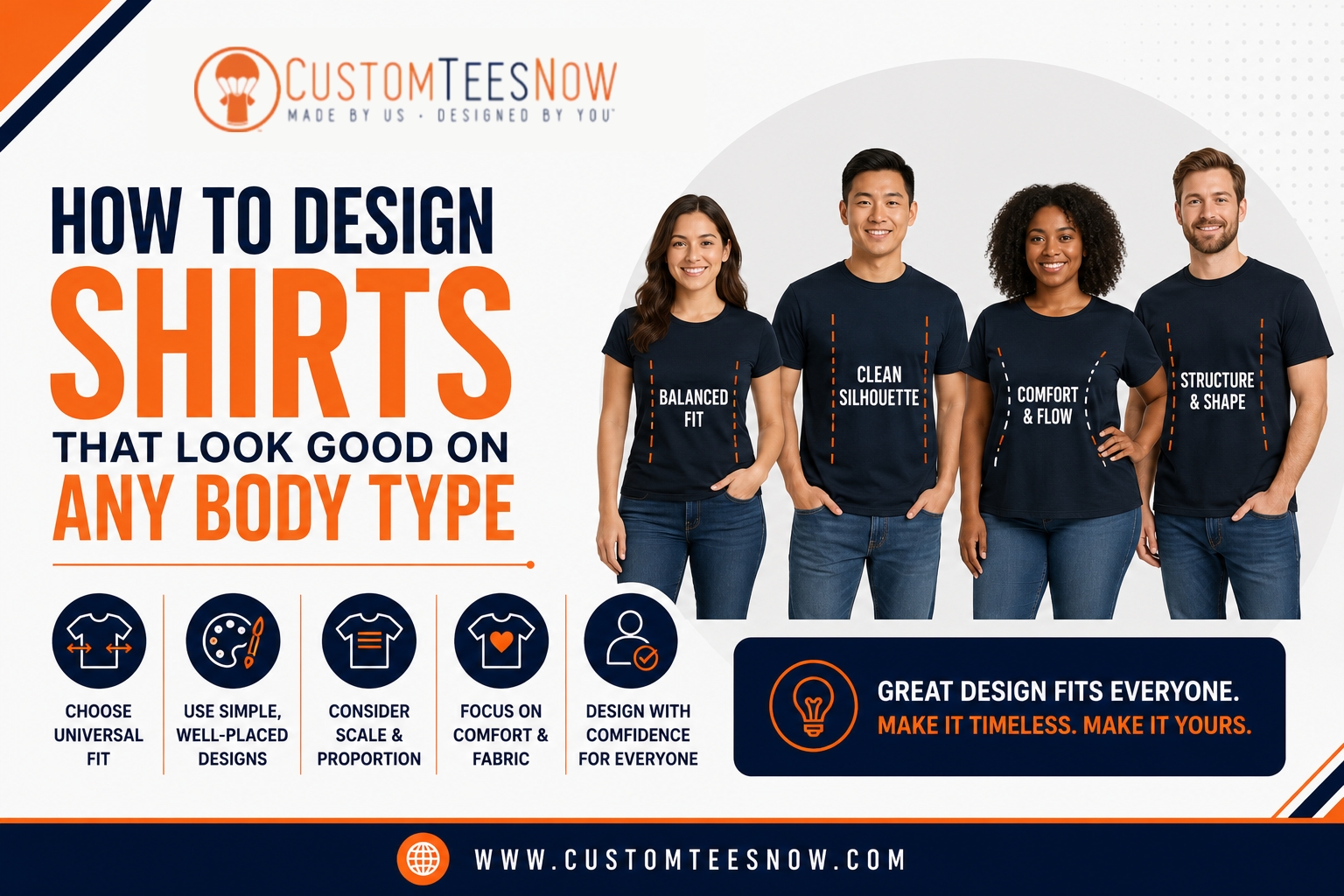
Customization options abound, from fabric choices to fit variations, ensuring inclusivity. This tailoring not only accommodates diverse body types but also boosts comfort, a factor linked to sustained energy levels throughout shifts.
The Impact of Employee Uniforms on Workplace Culture
Employee uniforms play a pivotal role in shaping organizational dynamics. By standardizing appearance, they eliminate distractions tied to personal style choices, allowing focus on tasks at hand.
This uniformity promotes equity, diminishing hierarchies based on attire. Teams report stronger camaraderie, as shared visuals foster a collective spirit. Statistics reveal that such environments see a 56% uptick in performance when belonging is emphasized.
Beyond internals, it influences external interactions. Clients perceive uniform groups as organized and reliable, enhancing transactional smoothness. In hospitality, for instance, this translates to quicker resolutions and higher satisfaction scores.
Maintenance simplicity adds another layer. Easy-care materials reduce preparation time, freeing mental space for innovation. Over time, this contributes to lower stress and better retention rates.
Adaptability shines in hybrid settings. Uniforms adaptable for remote video calls maintain consistency, effectively bridging the physical and digital realms.
Advantages of Custom Work Shirts for Teams
Custom work shirts offer targeted benefits, blending functionality with branding. These pieces, often featuring embroidered details, provide a canvas for subtle promotion while ensuring breathability for active roles.
One standout perk is identification ease. In bustling workplaces, quick recognition streamlines communication, reducing errors in collaborative efforts. This efficiency can lead to measurable gains in output.
Personalization fosters ownership. When staff input influences designs—perhaps through color votes—they exhibit greater enthusiasm, which translates into proactive behaviors.
Durability matters too. High-quality fabrics withstand rigorous use, minimizing replacements and supporting sustainability goals. This longevity aligns with eco-conscious trends and appeals to modern workforces.
Versatility allows layering with other items, suiting seasonal changes. From short-sleeve options for warmer climates to long-sleeve variants, they adapt without compromising style.
Elevating Image with Professional Company Apparel
Professional company apparel elevates overall stature and projects competence at every touchpoint. It serves as a visual handshake, setting the tone before words are exchanged.
In client-facing roles, this creates immediate credibility. Surveys indicate that 69% of individuals see uniformed personnel as more knowledgeable, which positively influences decision-making.
Internally, it instills discipline. Structured looks encourage upright postures and attentive demeanors, subtly shaping habits that enhance output.
Branding consistency across apparel reinforces messaging. Whether at conferences or daily operations, it amplifies recall, turning employees into ambassadors.
Inclusivity features, like adjustable fits, ensure all feel represented, boosting collective confidence. This holistic approach strengthens resilience against market fluctuations.
Key Benefits of Branded Attire
Delving deeper reveals core advantages that drive adoption.
- Enhanced Confidence: Staff in tailored outfits report 98% better performance when they feel assured, according to industry analyses.
- Team Cohesion: Shared designs promote unity, reduce conflicts, and elevate group efficacy.
- Customer Trust: 65% prefer engaging with uniformed entities, citing perceived reliability.
These elements compound, creating ripple effects on satisfaction and loyalty.
Productivity surges as well. Happy teams, buoyed by a 22% increase in contentment from comfortable wear, deliver 13% more output. This cycle of positivity sustains momentum.
Safety integrations, such as reflective elements, add practical value in hazardous environments, seamlessly merging form with function.
Analyzing the Cost-Effectiveness
Assessing financial viability underscores its appeal. Initial outlays yield long-term savings through durability and reduced turnover.
Consider this comparative table:
| Upfront Cost | Moderate (bulk discounts) | Low | Recurring fees |
| Longevity | 2-3 years | 6-12 months | Variable |
| Morale Impact | High (pride boost) | Neutral | Medium |
| ROI on Professionalism | Strong (75% perception lift) | Minimal | Good |
As illustrated, branded options excel in sustained value. As outlined in this HALO whitepaper, thoughtful selections cut churn by fostering care perceptions.
Bulk procurement further slashes expenses, with free shipping often sweetening deals. Tax incentives for business expenses amplify affordability.
Hidden savings emerge from fewer dress-code disputes and streamlined HR functions.
Real-World Case Studies and Success Stories
Practical applications illuminate efficacy. A retail chain implemented embroidered polos, witnessing a 20% rise in customer satisfaction, attributed to perceived expertise.
In healthcare, clinics adopting coordinated scrubs noted improved patient compliance, linked to trust in uniformed providers.
Tech firms using casual-branded hoodies reported enhanced creativity, with teams feeling empowered in aligned yet comfortable gear.
A construction company saw morale climb after introducing durable jackets, reducing absenteeism by 15% through pride infusion.
Nonprofits leveraged it for events, boosting volunteer retention via a sense of purpose.
These narratives span scales, proving versatility.
Strategies for Implementing Branded Workwear
Rolling out requires planning. Begin with a needs assessment—survey staff to gauge preferences and ensure buy-in.
Select providers who can provide proof for approval, minimizing revisions. Begin crafting your custom solutions to visualize outcomes swiftly.
Phase introductions gradually, starting with key departments to gauge feedback.
Training on care extends lifespan, maximizing investment.
Monitor via metrics like engagement surveys, adjusting as needed.
Incorporate feedback loops for continuous refinement while maintaining relevance.
Overcoming Challenges in Adoption
Hurdles include resistance to change. Address by highlighting benefits, perhaps through trials.
Sizing inclusivity demands variety; partner with suppliers accommodating all.
Budget constraints? Opt for phased rollouts or multifunctional pieces.
Quality variances risk reputation; vet vendors rigorously.
Seasonal adaptations prevent obsolescence, ensuring year-round utility.
Proactive measures turn potential pitfalls into strengths.
Future Trends in Workplace Attire
Looking forward, sustainability dominates. Eco-fabrics gain traction, with 40% of workers prioritizing green options.
Tech infusions, like smart threads for monitoring, enhance functionality.
Hybrid designs blend formal and casual, suiting flexible work.
Personalization evolves with AI, offering bespoke fits at scale.
Global influences introduce cultural motifs, enriching diversity.
These shifts promise amplified impacts on professionalism.
Conclusion: Transform Your Team Today
Branded workwear stands as a cornerstone for heightened professionalism, weaving together confidence, unity, and perception. Its proven effects on morale and performance make it indispensable for forward-thinking leaders. According to a J.D. Power survey, such investments pay dividends in trust and loyalty. Explore our website to discover how tailored apparel can elevate your organization. Embrace this tool, and witness a more cohesive, productive workforce emerge.