- February 5, 2026
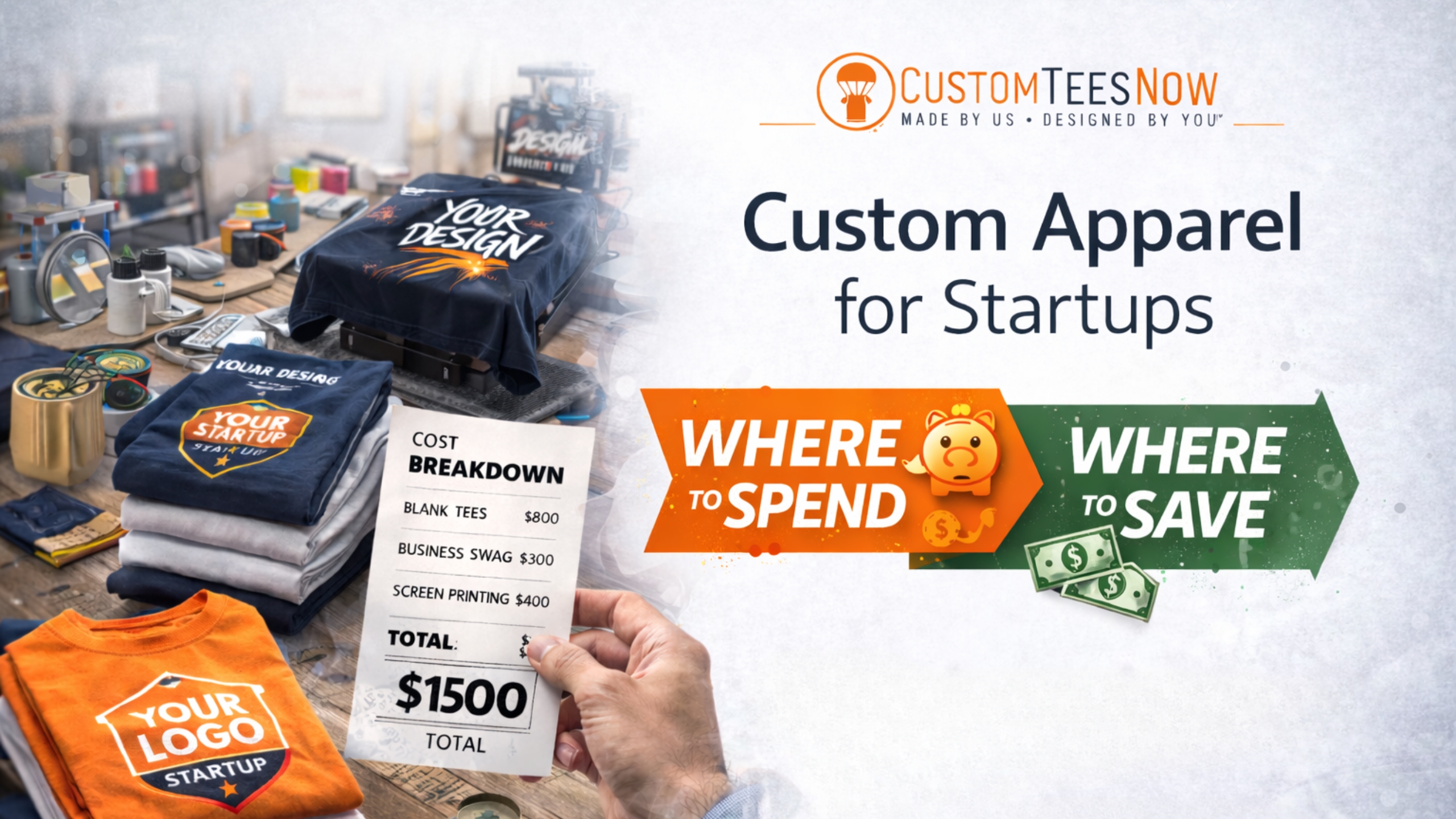
Custom Apparel for Startups: Where to Spend and Where to Save
Imagine launching your startup with a team that feels united, customers who become walking advertisements, and a brand that stands out in a sea of competitors—all without breaking the bank. That’s the power of smart investments in custom apparel. In the competitive startup landscape, where first impressions can make or break opportunities, custom startup apparel emerges as a game-changer. It transforms simple clothing into tools for branding, motivation, and marketing. This comprehensive guide breaks down where to allocate your limited funds effectively, ensuring your choices in startup branding apparel deliver maximum impact. We’ll explore strategies to balance quality with affordability, helping you navigate the world of startup merchandise wisely.
Startups thrive on innovation, but they often struggle with resource constraints. Custom apparel bridges this gap by offering a tangible way to express your vision. Whether it’s outfitting your team for a pitch or creating event giveaways, these items reinforce your identity. The key is discernment: knowing when to invest in premium features and when to opt for cost-saving alternatives. By the end of this article, you’ll gain insights into crafting a budget that supports growth and turns everyday wear into strategic assets.
The Role of Custom Apparel in Startup Success
Custom apparel goes beyond mere clothing; it embodies your startup’s ethos and fosters connections. Picture your employees donning coordinated outfits at a networking event—it instantly signals unity and professionalism. For emerging businesses, startup merchandise such as t-shirts and hoodies serves as an accessible entry into branding. These pieces can be handed out to early supporters, worn by staff, or even sold, creating a ripple effect of visibility.
The versatility is what makes it indispensable. It allows you to experiment with designs that capture your unique story, sparking interest among potential clients. Studies show that visual branding elements significantly boost recall, making your company more memorable. When executed thoughtfully, this approach elevates your presence without requiring massive ad spends.
However, success hinges on strategic choices. Overspending on unnecessary frills can strain finances, while underinvesting might yield lackluster results that fail to impress. The aim is to achieve a harmonious blend: prioritize elements that enhance durability and appeal, while trimming excess. This ensures your efforts contribute to long-term objectives, like building loyalty and expanding reach.
In today’s hybrid work environment, physical items like apparel also bridge digital and offline worlds. A thoughtfully designed piece shared on social media can amplify your message organically. For resource-strapped founders, starting small with targeted items paves the way for scaling as milestones are met.
Budgeting Basics for Startup Apparel
Laying a strong financial foundation is crucial before selecting products. Most startups dedicate a modest portion of their marketing allocation—around 5-10%—to apparel initiatives. For instance, with a $40,000 marketing budget, that equates to $2,000-$4,000. Variables like team scale and promotional activities shape this amount.
Begin by outlining requirements. Focus on high-impact uses: internal uniforms for cohesion or external swag for outreach. A structured overview helps:
| Design Services | $250-$900 | High | Ensures alignment with your vision. |
| Material Selection | $6-$14 per item | Medium-High | Influences comfort and endurance. |
| Printing/Production | $4-$9 per unit | Medium | Affects overall finish. |
| Bulk Ordering | Volume discounts | Low-Medium | Maximizes efficiency. |
| Shipping & Add-ons | $2-$4 per item | Low | Often negotiable. |
This framework aids in resource distribution. Reassess periodically to adapt to evolving needs, such as post-funding expansions.
Budgeting evolves with your venture. Initial phases might emphasize basics, while later stages allow for more elaborate options. Anticipate extras, such as proofs, to prevent overruns.
Where to Invest: High-Impact Spending Areas
Certain components warrant greater investment because they directly enhance the product’s value and your brand’s perception. Cutting back here could lead to quick wear or diminished appeal.
Focus first on superior fabrics. Blends that offer softness and resilience, such as cotton and polyester, provide lasting comfort. For brands emphasizing sustainability, organic materials justify the uptick in price, resonating with conscious audiences. Premium choices, ranging from $9 to $13 per piece, outperform cheaper alternatives in longevity.
Next, secure expert design input. A polished look distinguishes your items; learn more here for foundational tips. Professional assistance crafts visuals that embody your essence, using scalable formats for consistency.
Robust application methods are equally vital. Techniques such as high-grade screen printing or detailed embroidery ensure vibrancy and fade resistance. Budgeting $5-$7 per unit here safeguards your investment.
Deeper personalization, such as individual names, adds exclusivity and fosters engagement at gatherings.
Strategic Savings: Cutting Costs Without Compromising Quality
Savings opportunities abound if approached cleverly, enabling broader production or reallocation of funds.
Embrace volume purchases for reductions—prices drop significantly beyond 100 units. Consolidate needs to leverage this, storing extras if space permits.
Streamline visuals: Limit colors and complexity to reduce setup charges while maintaining an elegant aesthetic.
Select providers attuned to startup needs, who offer guidance and competitive rates.
Use digital previews to sidestep revisions, and sample minimally to confirm compliance with standards.
Targeted efficiencies include:
- Standard sizing to bypass custom fees.
- Timing aligns with vendor deals.
- Multi-use integrations for shared expenses.
These tactics enable quality output on lean budgets.
Balancing Act: Real-World Examples for Startups
Practical applications clarify these concepts. A health tech firm splurged on eco-fabrics and embroidery for team wear, yielding networking wins. They economized via bulk and simple motifs, staying under $1,800 for 120 pieces.
A food delivery app prioritized affordable custom shirts for promotions, using basic prints to produce 250 at $8 each. Design simplification freed funds for distribution.
A SaaS provider combined design investments with production savings, creating motivational items that enhanced retention.
These demonstrate customization to your context for optimal results.
Practical Tips for Implementing Your Apparel Strategy
Initiate with clear goals: unity, promotion, or revenue? Prototype ideas adhering to your guidelines.
Evaluate materials hands-on. Match methods to purpose—printing for volume, embroidery for sophistication.
Test samples rigorously, soliciting input.
Measure outcomes by tracking engagement or sales, and refine accordingly.
Adapt as you progress, incorporating trends like green practices. To get started, visit Custom Tees Now for inspiration.
For hands-on creation, explore our design tools to bring ideas to life seamlessly.
Conclusion: Empower Your Startup with Smart Apparel Choices
Thoughtful apparel selections propel your brand forward affordably. By emphasizing essentials and optimizing elsewhere, you craft items that resonate and endure.
Apply these principles to transform your approach, fostering connections and growth.